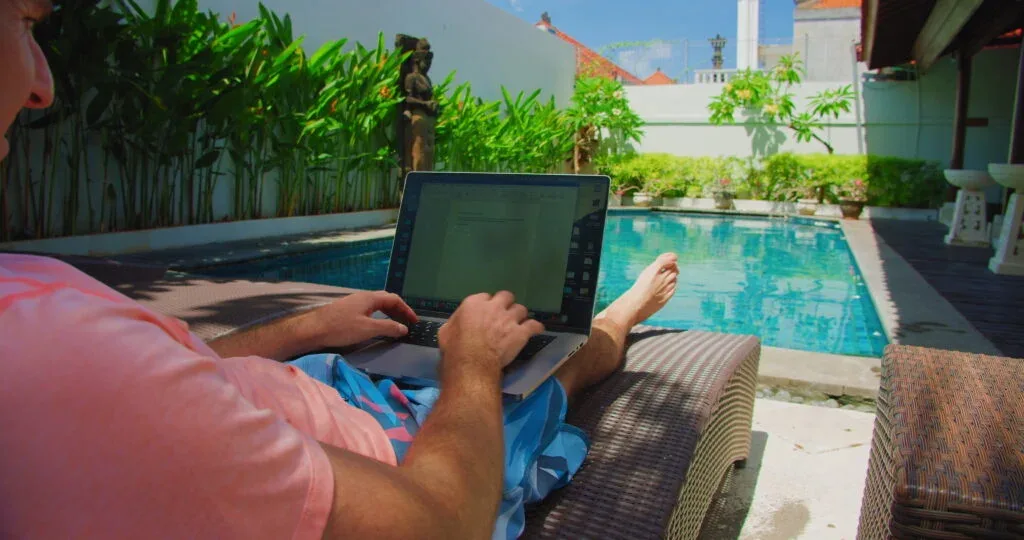
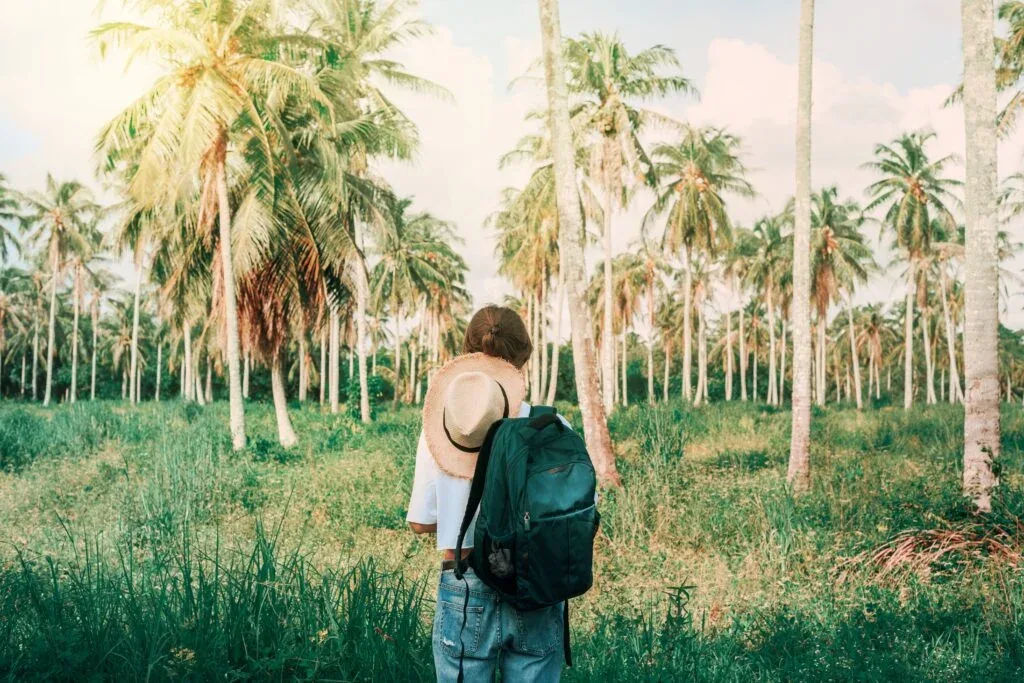
Welcome to Bali. A place where you can work in the morning, surf in the afternoon and meet new friends before the day is over. The island is relaxed, creative and filled with young people who are building their own remote lifestyle. Whether you come for a month or plan to stay longer, Bali makes remote work feel simple and exciting. From Canggu’s social energy to Ubud’s calm nature, you’ll quickly find a spot that feels like yours.
€2.50
€0.60
€2.10
€33.50
Average weather in Bali
No Data Found
Average rainfall in Bali
No Data Found

Your main app for getting around the city. From quick scooter rides to food delivery, Grab makes daily life in Bali simple and safe.

The most useful app for booking domestic flights, ferries, hotels and activities across Indonesia. Clear prices and often cheaper than international platforms.

The smartest way to manage money abroad. Pay in Indonesian rupiahs, withdraw cash and track your expenses with low fees and real time exchange rates.

The best platform to book trains, buses and ferries across Indonesia. Perfect for planning weekend trips or booking International trips to other Asian countries.
A reliable eSIM app that lets you buy and activate local or regional data plans instantly so you can stay connected without visiting a phone shop.

Indonesia’s most reliable mobile provider. Use the app to buy data packages, check/ top-up your balance and manage your SIM. Strong coverage in Canggu, Ubud and most parts of Bali.
 Indonesian Rupiah19,801.4716
Bali is generally safe for remote workers and travellers. Serious crime is rare. The main risks come from traffic accidents, especially scooter related incidents, and occasional petty theft in busy areas. Always wear a helmet, lock your scooter and avoid leaving valuables unattended.
Police: 110 Ambulance : 119 Fire department: 113 Search and Rescue (BASARNAS): 115(These numbers work across Bali and the rest of Indonesia.)
Wi-Fi in Bali is generally fast and reliable in coworking spaces, cafés and accommodations. Average speeds range from 50 to 150 Mbps, with higher speeds available in premium coworkings. Telkomsel offers the most stable mobile coverage across the island, including 4G and 5G in most populated areas.
English is widely spoken in cafés, coworking spaces, hotels and tourist areas. Bahasa Indonesia is the local language. Learning a few basic words is appreciated. Country calling code: +62 Time zone: UTC +8
Tap water is not safe to drink. Use bottled or filtered water for drinking and brushing teeth. Bali has good private hospitals and clinics, especially around Denpasar, Canggu and Ubud. Travel insurance is strongly recommended, especially if you ride a scooter.
Balinese culture is deeply influenced by Hindu traditions. Dress modestly when visiting temples, remove shoes when entering homes or sacred places and avoid public displays of anger or disrespect. Showing respect goes a long way and is appreciated by locals.

Before you fly to Bali, make sure your passport is valid for at least six months and you have a plan for your exit. If you want a smooth arrival, apply online before you go so you already know which visa you will enter on.

Indonesia offers several visa options depending on your length of stay and activities. The e VOA allows a 30 day stay and can be extended once for another 30 days, but is meant for tourism only. The B211A Visitor Visa allows an initial stay of 60 days and can be extended up to 180 days in total, commonly used for longer tourism stays or business visits. For remote workers, Indonesia offers the Remote Worker KITAS (E33G), which allows long term residence while working online for a foreign employer or clients. There is also the Second Home Visa, a long term residence option that requires significant financial proof and is not designed for short or flexible stays.

For Reemotees who want to live in Bali while working remotely for a non Indonesian employer, the Remote Worker KITAS (E33G) is the most relevant option. This visa allows you to legally work online from Indonesia without doing visa runs or extensions every few months. It is designed for digital professionals who want stability and longer stays. If you are still exploring Bali or staying for a shorter period, the B211A Visitor Visa is often the most practical starting point.

Always keep track of your visa expiry date. Overstaying leads to daily fines and can result in travel bans or future visa issues. Extensions must be arranged before your visa expires and are handled through Indonesian immigration or a registered agent. If your visa cannot be extended further, you must leave Indonesia before the final day of your allowed stay.
The most common way to get around Bali. Scooters are cheap, flexible and often faster than cars due to traffic. Daily rentals usually start around 100.000 IDR (€5). Always wear a helmet and make sure you have an International Driving Permit, as police checks are common, especially in Canggu and Ubud.
Blue Bird taxis operate legally in Bali and are a safe option for longer rides. Many people also use private drivers for day trips or airport transfers. Prices are usually agreed upfront and are affordable when shared with others.
Apps like Gojek and Grab are widely used across Bali. They are reliable for short rides, airport transfers and food delivery. Prices are transparent and usually cheaper than traditional taxis. Availability is best in tourist and urban areas.
Ngurah Rai International Airport (DPS) connects Bali with Jakarta, Lombok, Labuan Bajo, Yogyakarta and many other Indonesian cities. Domestic flights are frequent and often used for onward travel or visa exits. Booking in advance keeps prices low.
Bali is one of the most popular destinations in the world for remote workers, and for good reason. The island combines a low cost of living with strong internet, a large international community and a lifestyle that is hard to match elsewhere in Asia. For people who want to work online while enjoying nature, good food and social connection, Bali offers a unique balance.
One of the biggest advantages of remote work in Bali is the infrastructure built around digital nomads. Coworking spaces, laptop friendly cafés and reliable Wi Fi are easy to find in places like Canggu, Ubud and Pererenan. Many spaces are designed specifically for remote professionals, offering fast internet, comfortable work setups and networking events.
The cost of living in Bali makes it accessible for students, freelancers and early stage remote workers. Daily expenses such as food, transport and gym memberships are relatively affordable compared to Europe, allowing people to focus on their work while still enjoying a high quality lifestyle.
Bali also stands out for its strong community. It is easy to meet other remote workers through coworking spaces, sports, social events and shared activities. This makes it less isolating than many other remote destinations, especially if you are new to working abroad.
Another reason remote workers choose Bali is the lifestyle outside of work. Surfing before work, yoga in the evening, healthy food and access to nature are part of daily life. Beaches, rice fields and waterfalls are never far away, making it easier to maintain a healthy work life balance.
Finally, Bali is a great base for exploring Southeast Asia. With an international airport and many domestic connections, traveling to other Indonesian islands or nearby countries is simple. This flexibility makes Bali attractive for remote workers who want to combine work, travel and long term stays.
Why Remote workers love Bali
Visas & Entry for Bali
Stay Safe & Healthy in Bali
Getting Around Bali Like a Local
Best Places to Work in Bali
Coworking Spaces We Love in Bali
Cafés Made for Laptops in Bali
Local Culture and Daily Life in Bali
Must Do Activities in Bali
If you hold a European passport, Indonesia offers multiple visa options depending on how long you want to stay and whether you plan to work remotely. Indonesian immigration rules are strictly enforced, and using the wrong visa can result in fines, deportation or future entry bans. Choosing the correct visa before arrival is essential.
Below is a complete and accurate overview of all relevant visa options for EU citizens traveling to Bali.
Citizens of most European Union countries are eligible for visa-free entry to Indonesia for tourism purposes.
This allows you to stay in Indonesia for up to 30 days. This stay cannot be extended and cannot be converted into another visa type. You must leave Indonesia before day 30.
Cost Free
Conditions
Your passport must be valid for at least six months on arrival. Immigration may ask for proof of onward or return travel.
Important note
This option is only suitable for short holidays. It does not allow working, including remote work, and offers no flexibility if you want to stay longer.
European passport holders are eligible for the Visa on Arrival, which can be obtained at the airport or applied for online in advance as an e-VOA.
The VOA allows an initial stay of 30 days and can be extended once for another 30 days, giving a maximum stay of 60 days.
Costs
Visa fee: 500.000 IDR (≈ €26)
Extension fee: 500.000 IDR (≈ €26)
Total for 60 days: 1.000.000 IDR (≈ €52)
Purpose
Tourism, social visits and limited business activities such as meetings. Officially, this visa does not allow employment or earning income inside Indonesia.
Practical reality
Many short-term remote workers use this visa, but legally it is still a tourism visa. For longer or repeated stays, other options are safer.
The B211A Visitor Visa is the most common option for Europeans who want to stay longer than 60 days without leaving Indonesia.
This visa allows an initial stay of 60 days and can be extended twice, each time for 60 days, giving a total maximum stay of 180 days.
Costs
Visa application via official e-Visa or agent: 1.500.000 – 2.000.000 IDR (≈ €78 – €103)
Each extension via agent: 2.500.000 – 3.000.000 IDR (≈ €130 – €155)
Typical total cost for 180 days: 8.000.000 – 10.000.000 IDR (≈ €410 – €515)
Purpose
Tourism, social visits and business activities such as meetings or market research. This visa is not a work permit and does not allow local employment.
Why people use it
The B211A is flexible, avoids visa runs and is widely used by people staying several months in Bali.
Indonesia introduced a dedicated Remote Worker Visa, officially known as E33G, aimed at foreigners who earn their income outside Indonesia.
This visa allows Europeans to live in Indonesia for up to one year while working remotely for a foreign employer or clients. You are not allowed to work for Indonesian companies or receive local income.
Validity
1 year, renewable
Costs
Official government fee: approximately 7.000.000 IDR
Agent handling and processing: typically 12.000.000 – 18.000.000 IDR total
(≈ €620 – €930)
Requirements
Proof of remote employment or freelance income
Proof of sufficient financial means
Application before arrival with a registered sponsor or agent
This is the only visa explicitly designed for remote work in Indonesia and is the most compliant option for long-term remote workers.
Indonesia offers several multiple entry visas valid for one to five years. These allow repeated stays in Indonesia, usually limited to 60 or 180 days per visit, depending on the visa type.
Costs
Typically 10.000.000 – 15.000.000 IDR depending on validity and type
These visas are useful if you frequently enter and leave Indonesia, but they do not automatically allow remote work unless paired with the correct status.
The Second Home Visa is a long-term residence visa intended for financially independent foreigners.
Key requirement
Proof of funds of at least 2.000.000.000 IDR (≈ €103.000)
Validity
5 to 10 years
This visa is not designed for short stays or young remote workers and is mostly relevant for retirees or long-term residents with significant capital.
Indonesia also offers KITAS permits for employment, investment, family reunification or marriage. These require sponsorship by an Indonesian company or spouse and are not applicable for most remote workers without local ties.
Indonesia enforces overstays strictly.
Overstay fine
1.000.000 IDR per day (≈ €52 per day)
Long overstays can lead to detention, deportation and entry bans.
If you stay less than 30 days, visa-free entry is sufficient.
If you stay up to 60 days, the VOA is the simplest option.
If you want to stay several months, the B211A Visitor Visa is the most practical.
If you want to live in Bali and work remotely long-term, the Remote Worker Visa (E33G) is the only option specifically designed for that purpose.
Visa rules can change. Always verify before applying.
Before you fly to Bali, make sure your passport is valid for at least six months and you have a plan for your exit. If you want a smooth arrival, apply online before you go so you already know which visa you will enter on.
Indonesia offers several visa options depending on your length of stay and activities. The e VOA allows a 30 day stay and can be extended once for another 30 days, but is meant for tourism only. The B211A Visitor Visa allows an initial stay of 60 days and can be extended up to 180 days in total, commonly used for longer tourism stays or business visits. For remote workers, Indonesia offers the Remote Worker KITAS (E33G), which allows long term residence while working online for a foreign employer or clients. There is also the Second Home Visa, a long term residence option that requires significant financial proof and is not designed for short or flexible stays.
For Reemotees who want to live in Bali while working remotely for a non Indonesian employer, the Remote Worker KITAS (E33G) is the most relevant option. This visa allows you to legally work online from Indonesia without doing visa runs or extensions every few months. It is designed for digital professionals who want stability and longer stays. If you are still exploring Bali or staying for a shorter period, the B211A Visitor Visa is often the most practical starting point.
Always keep track of your visa expiry date. Overstaying leads to daily fines and can result in travel bans or future visa issues. Extensions must be arranged before your visa expires and are handled through Indonesian immigration or a registered agent. If your visa cannot be extended further, you must leave Indonesia before the final day of your allowed stay.
Bali is generally welcoming for remote workers, but the real risks are practical ones: scooter traffic, petty theft in busy areas, and occasional scams around taxis, cash, and rentals. Healthwise, the island is comfortable if you plan for heat, mosquitoes, and the fact that animal bites need fast action because rabies exists in Indonesia.
Bali has a mix of private international standard clinics and hospitals, plus large public hospitals. For most remote workers, private providers are the easiest because English support is usually better and payment is straightforward. For serious emergencies, go to the nearest emergency department first, then handle insurance later. Pre travel prep matters here more than in Europe: mosquito bite prevention and knowing what to do after an animal bite are big ones.
Important note on prices: I cannot give a single exact consultation price for Bali that is guaranteed correct, because many clinics do not publish fixed public tariffs and fees vary per provider, time, and treatment. What you can do on the page without risking wrong numbers is: say prices are quoted upfront, and advise people to message the clinic on WhatsApp before visiting for a written estimate.
Violent crime against tourists is not the main issue. Most problems come from opportunity theft and road safety. Keep valuables out of sight, do not leave phones on scooter mounts unattended, and be careful with bag snatching in crowded areas. If you ride a scooter, wear a proper helmet, do not ride if you are not experienced, and avoid riding at night on unfamiliar roads. If you rent a scooter, photograph the bike and the contract at pickup to reduce disputes.
Emergency numbers
Police 110 Ambulance 119 Fire 113 (English support 24 hours)
Bali has amazing food, and most travellers are fine if they follow basic habits. Eat where turnover is high and food is cooked fresh. Be careful with raw seafood and food that has been sitting in the heat. Tap water is not considered safe to drink, so use sealed bottled water or a trusted refill station, and use bottled or filtered water for brushing teeth if you have a sensitive stomach.
Reemotee tip based on our experiences
If you get stomach issues, do not panic and do not self medicate based on social media. Bali has plenty of pharmacies and clinics, but you should ask for clear instructions and check whether a medicine can affect dehydration, heat tolerance, or driving. If symptoms are severe, persistent, or include blood, fever, or strong dehydration, go to a clinic.
Bali is one of the easiest places in Asia to build a balanced remote routine because everything is set up for it: gyms, yoga, surf, healthy cafés, and strong community energy in remote work hubs like Canggu and Ubud. The main challenge is not finding wellness options, it is staying consistent when the island is full of distractions. Pick one base area, build a weekly routine, and use day trips for adventure instead of moving every few days.
Traffic: Scooters are the main risk, helmets are essentialScams: Be cautious with overpriced taxis and money changersNatural risks: Volcanic activity and earthquakes are rare but possible
Police: 110 Fire: 113Ambulance: 118 / 119General emergency: 112
Bahasa Indonesia + Balinese (local)Calling code: +62Time zone: UTC+08:00 (WITA)
Tap water: Not recommended for drinkingVaccinations: click on title.
Getting around Bali works very differently than in European cities. Public transport is extremely limited, so most people rely on scooters or ride hailing apps. Distances can look short on the map but take much longer due to traffic, especially in areas like Canggu, Seminyak and Ubud.
Scooters are by far the most common way to get around. They offer flexibility and are often faster than cars during busy hours. However, traffic accidents are the biggest safety risk on the island. Only ride if you are confident, always wear a helmet and make sure your travel insurance covers scooter accidents.
For non riders, apps like Grab and Gojek are the safest and easiest option. Prices are transparent and drivers are widely available in tourist and remote worker areas. In some locations, local transport groups may restrict ride hailing pickups, so short walks to pickup points are sometimes needed.
For longer stays, renting a car with driver is common and affordable. It is a good option for day trips, airport transfers and areas with poor road conditions.
Balinese Culture
Balinese culture is deeply influenced by Balinese Hinduism, a unique form of Hinduism that blends spiritual beliefs, rituals and daily life. Respect, balance and harmony play a central role, and this is visible everywhere on the island. Locals are generally warm, calm and polite, and showing patience and respect goes a long way when interacting with people in Bali.
When entering temples, homes or sometimes even small shops, it is customary to remove your shoes. Modest clothing is expected when visiting temples, meaning covered shoulders and knees. Raised voices, public frustration or aggressive behavior are considered inappropriate and should be avoided. Staying calm and respectful is an important part of local etiquette.
One of the first things many visitors notice when arriving in Bali are the small offerings placed on sidewalks, doorsteps and in front of shops. Many people search online for what these small offerings all around Bali are and why they are everywhere. These offerings are called canang sari and are part of daily Balinese Hindu rituals. They are placed to express gratitude to the gods and to maintain balance between positive and negative forces. The offerings usually contain flowers, incense and symbolic items and are prepared every morning by locals.
It is important not to step on, move or disturb these offerings, even if they are placed in busy walking areas. While stepping on one by accident is not seen as intentional disrespect, locals highly appreciate when visitors consciously walk around them. This small gesture shows awareness and respect for Balinese traditions and religious practices.
You will also notice that ceremonies, temple festivals and processions regularly take place across the island. During these moments, traffic may stop and streets may be temporarily blocked. This is completely normal in Bali and part of daily life. Being flexible and patient during ceremonies is expected and often gives you a unique glimpse into Balinese culture.
Learning a few basic Indonesian words such as thank you or hello is appreciated, although English is widely spoken in most tourist and expat areas. Even small efforts to understand local customs are warmly received and help create positive interactions with locals throughout your stay in Bali.
Neighborhoods to Know in Bali
Bali is not one single city but a collection of very different areas, each with its own atmosphere, lifestyle and type of remote worker. Choosing the right neighborhood has a big impact on your daily life, budget and work routine.
Canggu
Canggu is the most popular area in Bali for digital nomads and remote workers. It is known for its coworking spaces, cafés with fast WiFi, beach clubs and international community. Areas like Batu Bolong, Berawa and Pererenan are especially popular. You will find many villas, serviced apartments and coliving spaces here. Canggu is ideal if you want an active social life, easy networking and plenty of work friendly cafés. Traffic can be heavy during peak hours and prices are higher than in other parts of Bali, but for many remote workers the lifestyle makes up for it.
Ubud
Ubud is the cultural and spiritual heart of Bali and attracts remote workers who prefer a calmer, more nature focused lifestyle. The area is surrounded by rice fields, jungle and rivers, and is known for yoga studios, wellness centers and creative communities. Ubud has several good coworking spaces and long stay accommodations at more affordable prices than coastal areas. It is best suited for remote workers who value peace, personal growth and a slower pace. Nightlife is limited and scooter transport is usually necessary.
Seminyak
Seminyak offers a more polished and upscale version of Bali life. It is known for high end restaurants, boutique shopping, beach clubs and luxury villas. Seminyak is convenient, walkable in some areas and close to the airport. It suits remote workers who want comfort, easy access to amenities and a more urban feel. Coworking options are available but less community driven compared to Canggu. Accommodation prices are higher and the area feels more commercial.
Uluwatu
Uluwatu is located on the Bukit Peninsula and is famous for its cliffs, surf spots and dramatic ocean views. It attracts surfers and remote workers who want a quieter coastal lifestyle away from crowds. Accommodation often consists of villas and guesthouses spread across hills, so a scooter is essential. Internet quality has improved in recent years but can vary by location. Uluwatu is ideal for those who work independently and prioritize nature, surf and sunsets over nightlife and city convenience.
Sanur
Sanur is a more traditional and relaxed coastal town on the east side of Bali. It is popular among long stay visitors, families and older expats. The area has a calm beachfront promenade, steady internet and less traffic compared to Canggu or Seminyak. Sanur works well for remote workers who want a quiet base with good infrastructure and easy access to the airport. Social and coworking scenes are smaller but growing.
Denpasar
Denpasar is the capital of Bali and the most local area on the island. It is less touristic and more affordable, with local markets, offices and everyday Balinese life. Denpasar is rarely chosen by short term digital nomads but can be interesting for long stays if you want lower rent and a more authentic experience. English is less widely spoken and the environment is more urban, but internet reliability and access to services are strong.
Reemotee tip based on experience
Before committing to a long term rental, spend time in different neighborhoods. Bali’s areas feel very different from each other, and what looks perfect online may not match your daily rhythm. Staying flexible in the first weeks helps you find the place that truly fits your work and lifestyle.
Sorted from cheapest to most expensive
ZIN is one of the most budget friendly workspaces in Bali. It combines a café and a dedicated coworking area, making it ideal for remote workers who want flexibility without committing to a membership.
The workspace is quiet, laptop friendly and has stable Wi Fi.
There is no fixed membership fee, but it is expected that you regularly order food or drinks while working.
This makes it perfect for short or medium stays.
Monthly cost
Free access, pay for food and drinks only
Best for
Remote workers on a tight budget who still want a reliable work environment
Link
https://zin.world/zin-cafe/
BWork is a large coworking space with strong internet, air conditioning, phone booths and an active community.
They offer flexible memberships, including lower priced plans with limited hours, which makes it accessible for budget conscious digital nomads.
Monthly cost
From around IDR 2,200,000 per month depending on the plan
Approximately €110
Best for
Remote workers who want structure, good facilities and community events without paying premium prices
Link
https://bwork.id/membership/plan
Tropical Nomad is well known among long term digital nomads. The space balances productivity and community and regularly hosts networking events, workshops and meetups.
The environment is calm but social, making it easy to meet other remote professionals.
Monthly cost
Around IDR 2,900,000 to 3,500,000 per month
Approximately €145 to €180
Best for
Remote workers who value community and networking alongside focused work
Link
https://www.tropicalnomad.id/pricing
No membership required
If you prefer not to pay for a coworking space, Bali has many cafés where working on your laptop is normal and accepted. Always follow café etiquette by ordering regularly and avoiding long calls during busy lunch hours.
This café is known for its quiet atmosphere, strong internet and healthy food options.
It is especially popular in the mornings and early afternoons among remote workers.
Amolas offers a green garden setting, good coffee and enough power outlets for laptops.
It is ideal for shorter focused work sessions in a relaxed environment.
Connected to the BWork coworking space, this café has fast Wi Fi and is very laptop friendly.
A good option if you want a café vibe with coworking level internet quality.
Reemotee tipIf you are staying in Bali for more than one month, many remote workers combine café work with a flexible coworking membership. This keeps costs low while still giving access to quiet spaces for calls and deep focus days.
Bali is one of the most popular destinations in the world for long term remote workers, and finding comfortable accommodation for a longer stay is usually easier and cheaper than it first appears online.
Many digital nomads start by booking short stays through platforms like Booking or Airbnb, but most long stay residents quickly switch to monthly rentals. These long stay options are often not advertised publicly and usually come with significant discounts compared to nightly rates.
For stays of one month or longer, it is common to receive discounts of 20 to 40 percent when booking directly. This applies to guesthouses, serviced apartments, villas and co living spaces across areas like Canggu, Ubud and surrounding neighborhoods.
The most effective way to find a good long stay deal in Bali is by contacting accommodations directly via WhatsApp or email. Many places prefer direct bookings and are happy to offer better monthly rates when you reach out personally. Walking around the neighborhood and asking on the spot is also still very common and often leads to better prices.
As a remote worker, a realistic monthly budget for comfortable long stay accommodation in Bali usually ranges between €750 and €1,000. This typically includes a private room or studio, good Wi Fi, air conditioning, regular cleaning and often shared facilities like a pool or kitchen. Prices vary depending on location, season and length of stay, with Ubud generally offering better value for space and tranquility, while Canggu tends to be slightly more expensive due to demand.
It is normal in Bali that long stay prices are negotiable, especially if you stay for multiple months or pay upfront. Always ask whether electricity, internet and cleaning are included, as these are sometimes charged separately.
Reemotee tip based on our experience:
Avoid booking long stays too far in advance at online prices. Book a short stay for your first week, explore different areas in person and then arrange your monthly accommodation locally. This approach almost always results in better prices, better locations and a setup that fits your remote work routine.
Daily life in Bali is deeply shaped by Balinese Hindu culture, which is unique within Indonesia. Religion, community and nature are closely connected, and this is visible everywhere on the island. Small offerings, known as canang sari, are placed daily at homes, shops, cafés and temples as a way to express gratitude and maintain balance between humans, spirits and nature. Many visitors wonder what these small offerings are and why they are everywhere in Bali. They are an essential part of everyday life and a sign of respect to the local spiritual world.
As a remote worker, you will quickly notice that ceremonies and temple days are part of normal life. Streets may close temporarily for rituals, and locals often wear traditional clothing during important religious days. Respecting these moments, dressing modestly near temples and being patient during ceremonies is expected and appreciated.
Bali’s daily rhythm is slower and more flexible than in many Western countries. Workdays often start early, with mornings dedicated to exercise, surfing or yoga before focusing on work. Afternoons are commonly spent working from cafés or coworking spaces, while evenings are reserved for socializing or relaxing. This lifestyle makes Bali especially attractive for remote workers looking to combine productivity with quality of life.
Bali’s nightlife varies strongly by area, giving remote workers plenty of choice depending on their preferences. Canggu and parts of Seminyak offer a lively social scene with beach clubs, cocktail bars and casual nightlife. Sunset drinks, live DJs and relaxed beach gatherings are common, especially around Batu Bolong and Echo Beach.
Ubud, on the other hand, has a much calmer social atmosphere. Evenings here are focused on good food, cultural performances, small gatherings and early nights. Many remote workers choose Ubud for its quieter energy and more mindful lifestyle.
Social life in Bali often revolves around food, sunsets and community events rather than traditional clubbing. It is easy to meet people through coworking spaces, cafés, fitness studios or organized meetups. For digital nomads, the social scene feels accessible and informal, making it easy to build connections without pressure.
Wellness is a core part of life in Bali and one of the main reasons remote workers choose the island. Yoga studios, meditation centers, gyms and wellness retreats are spread across the island, with Ubud being the spiritual and wellness heart of Bali. Canggu combines fitness, surfing and modern wellness concepts, making it popular among younger digital nomads.
Daily routines often include yoga classes, gym sessions or surf lessons before or after work. Healthy food is widely available, with many cafés offering vegetarian, vegan and organic options. Massages and spa treatments are affordable and commonly used as part of weekly self care rather than an occasional luxury.
This strong focus on balance helps many remote workers avoid burnout and create a sustainable long term routine. Bali is not just a place to work remotely, but a place where health and productivity naturally go hand in hand.
Bali has one of the largest digital nomad and expat communities in the world. The island attracts freelancers, entrepreneurs, creatives and remote employees from all over the globe. Coworking spaces, cafés and wellness hubs naturally function as meeting points where connections happen easily.
Community events are frequent and diverse. You will find weekly meetups, business networking events, skill sharing sessions, mastermind groups and casual social gatherings. Many remote workers form friendships quickly, often leading to collaborations or long term professional connections.
The community in Bali is international but generally supportive and open. Newcomers are welcomed easily, and it rarely takes long to feel part of a group. This strong sense of connection is one of the main reasons people extend their stay or return to Bali multiple times.
Bali’s cultural calendar is filled with festivals and ceremonies that shape life on the island. One of the most important days is Nyepi, the Balinese Day of Silence. On this day, the entire island shuts down for 24 hours. Airports close, streets are empty and everyone stays indoors. For many visitors, this is a unique and unforgettable experience that reflects Bali’s deep spiritual roots.
Other important celebrations include Galungan and Kuningan, which mark the victory of good over evil and are celebrated with elaborate decorations and temple ceremonies across the island. Throughout the year, temple anniversaries and local festivals take place in villages, often accompanied by traditional music, dance and offerings.
For remote workers, experiencing these cultural moments is one of the highlights of living in Bali. They offer insight into local traditions and provide a deeper connection to the island beyond the typical tourist experience.
Bali offers far more than beaches and cafés. The island combines nature, culture and adventure in a way few places in the world do. Whether you stay for a few weeks or several months, these experiences give you a deeper understanding of why Bali is such a powerful destination for remote workers.
A sunrise hike on Mount Batur is one of Bali’s most iconic experiences. Starting early in the morning, you hike to the top of an active volcano and watch the sun rise over the island, often above a sea of clouds. It is physically manageable for most people and one of the most searched activities in Bali.
Visiting the rice terraces is another essential experience. Tegallalang near Ubud is the most famous, but Jatiluwih offers a much larger and quieter landscape and is a UNESCO World Heritage Site. Walking through these terraces gives insight into Bali’s traditional irrigation system, known as subak, which is still used today.
Temple visits are a core part of Balinese culture. Tanah Lot is known for its dramatic ocean setting, while Uluwatu Temple offers cliffside views and traditional Kecak fire dances at sunset. In Ubud, temples like Tirta Empul allow visitors to experience traditional water purification rituals.
Spending time at the beach is unavoidable in Bali. Surfing in Canggu, relaxed beach days in Uluwatu or calm waters around Sanur all offer very different coastal experiences, depending on your lifestyle and energy level.
Beyond the well known highlights, Bali has many quieter places that remote workers often appreciate more. Sidemen Valley, located east of Ubud, offers stunning rice fields, mountain views and a peaceful atmosphere with very few tourists. It is ideal for short stays focused on nature and deep focus.
In northern Bali, areas around Munduk are known for waterfalls, jungle landscapes and cooler temperatures. This region feels very different from the south and gives a glimpse of a more traditional, rural Bali.
In the east, Amed is a small coastal town popular for snorkeling and diving. Life here is slow, affordable and strongly connected to the sea. It attracts remote workers who prefer calm surroundings and minimal distractions.
Even within busy areas like Canggu, small side streets and local warungs offer a much more authentic experience than the main roads. Exploring on a scooter often leads to quiet cafés, hidden viewpoints and uncrowded beaches.
Bali is compact enough to make day trips easy, especially if you rent a scooter or hire a driver. A popular day trip from Ubud is a visit to Tegenungan Waterfall or Tibumana Waterfall, both offering easy access and impressive scenery.
From Canggu or Uluwatu, a trip to Nusa Penida is one of the most dramatic excursions. The island is known for its cliffs, beaches and viewpoints such as Kelingking Beach. While it can be busy, it remains one of the most visually striking places near Bali.
Another worthwhile day trip is to Ubud from the coast or vice versa. Many remote workers choose to live in one area and regularly visit the other to balance work, social life and nature.
For a more relaxed experience, visiting local markets, beach villages or hot springs such as Toya Devasya near Mount Batur can easily fill a full day without long travel times.
The last one is a trip to east java to do the Bromo/Ijen/Tumpak Sewu tour. This is a 4 day tour, visiting two Volcano’s and the biggest waterfall of Indonesia. Tip: Near Tumpak Sewu there are many other beautiful waterfalls. So rent a scooter and go exploring!
Choosing when to live and work in Bali depends on your priorities.
Weather, crowds and accommodation prices vary throughout the year, and each season offers a different experience for remote workers.
Bali has a tropical climate with warm temperatures year round, but it is mainly defined by a dry season and a rainy season.
The dry season is considered the best time to live and work in Bali.
Days are sunny, humidity is lower and rainfall is minimal.
Average daytime temperatures range between 26 and 30°C, making it comfortable for both focused work and outdoor activities. Internet reliability is generally better during this period, as heavy rain rarely disrupts connections.
This season is especially popular among digital nomads, surfers and long term travelers. Areas like Canggu, Ubud and Uluwatu are lively, coworking spaces are busy and social events happen frequently.
The downside is higher demand.
Accommodation prices are at their highest, especially from June to August. Monthly apartments and villas often book up quickly, and last minute deals are rare.
This season is ideal if you:
• want the best weather
• plan to surf, explore beaches or hike
• enjoy a social and active remote work scene
The rainy season brings higher humidity and more frequent rainfall, especially between December and February.
Rain usually comes in short, heavy bursts rather than lasting all day, often in the afternoon or evening.
Temperatures remain warm, averaging between 27 and 31°C, and the island turns lush and green. Waterfalls are at their best and popular areas feel calmer.
For remote workers, this season has clear advantages.
Accommodation prices drop noticeably, long stay discounts are easier to negotiate and many places offer better monthly deals. Coworking spaces and cafés are less crowded, making it easier to focus.
This season is ideal if you:
• want lower living costs
• prefer a quieter work environment
• plan longer stays of several months
Good air conditioning and reliable Wi Fi are important during this period, especially if you work from home or cafés.
July and August are the busiest months of the year due to European summer holidays. Prices peak and availability is limited.
April, May, September and October are considered shoulder months and are often the best balance for remote workers. The weather is still good, crowds are smaller and prices are more reasonable compared to peak season.
Average weather in Bali
No Data Found
Average rainfall in Bali
No Data Found
Bring essential health and sun care products from home. In Bali, high quality sunscreen, after sun and specific skincare brands are significantly more expensive than in Europe and often harder to find. A small bottle of SPF 30 or 50 can easily cost €15 to €25, especially in tourist areas like Canggu and Uluwatu.
The same applies to certain medications, contact lenses, deodorant and specialty items such as mineral sunscreen or sensitive skin products. While pharmacies are widely available, brand choice is limited and prices are higher than expected.
If you plan to stay longer than a few weeks, pack these essentials in advance. It will save you money, time and unnecessary searching once you settle into your remote routine.
Lorem ipsum dolor sit amet consectetur adipiscing elit mauris interdum.
Lorem ipsum dolor sit amet consectetur adipiscing elit mauris interdum.
Lorem ipsum dolor sit amet consectetur adipiscing elit mauris interdum.






Reemotee is your launchpad to the remote lifestyle, with job boards, city guides, learning tools, and a global community to help you live and work anywhere.
06-12356789
info@reemotee.com