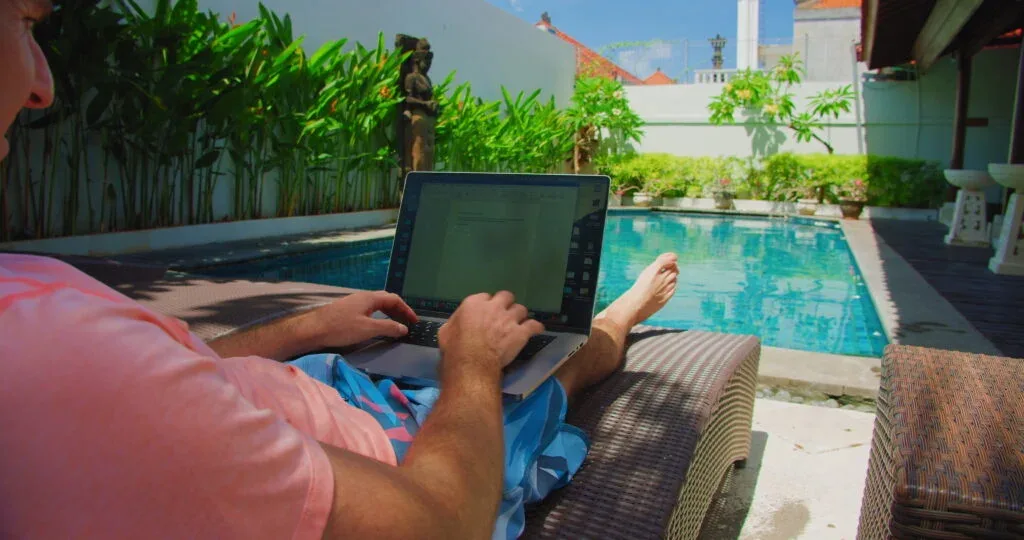
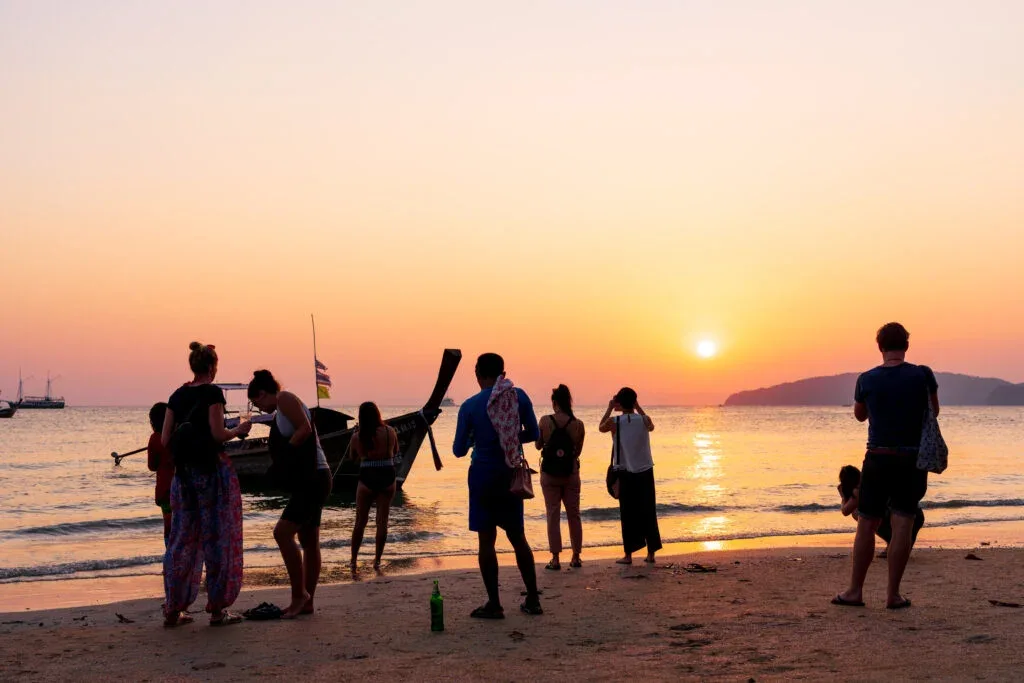
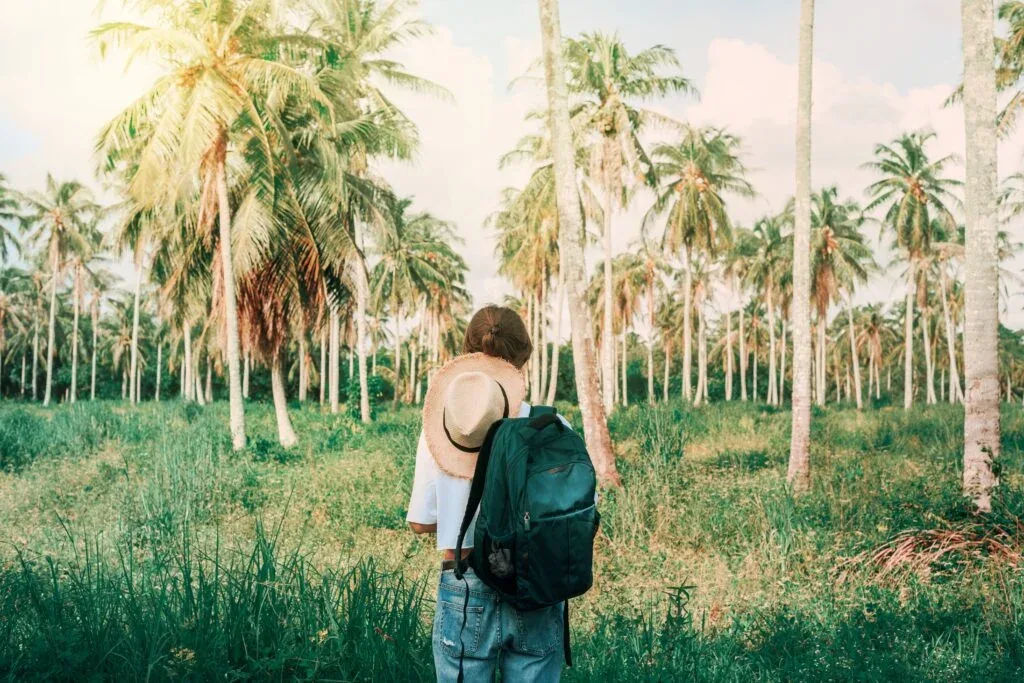
Welcome to Chiang Mai, Thailand’s mountain city for remote workers, creatives and digital nomads. If you’re planning remote work in Chiang Mai, you’ll find fast WiFi, laptop-friendly cafés, affordable apartments and one of Asia’s strongest international communities. Whether you stay for a month or a year, Chiang Mai makes it easy to combine focus, freedom and local culture.
Average weather in Chiang Mai
No Data Found
Average rainfall in Chiang Mai
No Data Found

The best platform to book trains, buses and ferries across Thailand. Perfect for planning weekend trips or booking the night train to Bangkok.

Your main app for getting around the city. From quick scooter rides to food delivery, Grab makes daily life in Chiang Mai simple and safe.

The smartest way to manage money abroad. Pay in Thai Baht, withdraw cash and track your expenses with low fees and real time exchange rates.

Thailand’s most used local food delivery app with plenty of hidden cafés and restaurants you will not find on Grab. Fast, local and budget friendly.

A reliable eSIM app that lets you buy and activate local or regional data plans instantly so you can stay connected without visiting a phone shop.
 Thai Baht38.166
Chiang Mai is generally safe and welcoming. The main risks come from scooter traffic and occasional petty scams in tourist areas. Always wear a helmet and use Grab for reliable rides.
Police: 191 Fire: 199 Ambulance: 1669 Tourist Police: 1155 (English speaking, 24/7)
Wi-Fi in Chiang Mai is fast and stable with average speeds of 250–400 Mbps in coworking spaces and cafés. AIS, TrueMove and DTAC all offer affordable 5G plans and reliable coverage across the city.
English is widely spoken in cafés, coworking spaces and hotels. Thai is the local language and learning a few words like “khop khun krap/ka” (thank you) goes a long way. The calling code is +66 and the time zone is UTC+07.
Tap water is not safe for drinking, but filtered or bottled water is easy to find. Chiang Mai has excellent hospitals such as Chiang Mai Ram and Bangkok Hospital Chiang Mai. No special vaccines are required beyond standard travel shots.
Chiang Mai is known for its warm local culture and deep Buddhist heritage. Always remove your shoes when entering homes or temples, dress modestly, and show respect by avoiding public displays of anger or affection.

Before flying to Thailand, make sure your passport is valid for at least six months. Many nationalities can enter visa-free for 60 days. You can also complete the Thailand Digital Arrival Card (TDAC) online before your trip to speed up arrival.

Thailand offers several visa options that fit different travel goals.
Most Europeans can enter visa-free for 60 days under the Visa Exemption rule and easily extend for another 30 days.
If you plan to stay longer, a Tourist Visa (TR) or Multiple-Entry Tourist Visa (METV) gives more flexibility for slow travel and exploring other regions.
For freelancers and digital nomads, the Destination Thailand Visa (DTV) allows remote work stays of up to 180 days per entry, while the Long-Term Resident Visa (LTR) suits established professionals who want a more permanent base.
Tip: Always confirm your country’s eligibility on the official Thai Immigration website and apply well in advance if you plan to work remotely.

The Destination Thailand Visa (DTV) is the most relevant option for Reemotees who want to live and work remotely from Thailand.
It is valid for 5 years and allows stays of up to 180 days per entry, with the possibility to extend for another 180 days.
The application fee is around ฿10,000 (€260), and the local extension fee is ฿1,900 (€50).
The DTV is designed specifically for digital nomads, freelancers, and creatives who work for clients outside Thailand, making it the ideal visa for those building a remote lifestyle.

Always extend or exit before your visa expires to avoid fines, overstaying costs ฿500 per day, up to ฿20,000.
The most common way to get around Chiang Mai. Cheap, flexible and fast. Daily rentals cost ฿250–400 (€6–10). Always wear a helmet and carry your International Driving Permit, police checks are frequent.
Apps like Grab are the easiest way to book scooters or cars. Safe, reliable and affordable. Short rides within the city cost around ฿60–120 (€1.50–3). Avoid unmetered taxis waiting near tourist spots.
Chiang Mai has limited public transport. The red shared trucks called songthaews run fixed routes for ฿20–40 (€0.50–1) per ride. There’s also an RTC city bus network, but most travelers rely on scooters or Grab for convenience.
Chiang Mai International Airport (CNX) connects to Bangkok, Phuket, Krabi and other Thai cities. One-way flights start around ฿1,000 (€25) with low-cost airlines. It’s an easy option for weekend trips or visa runs.
Chiang Mai is known as one of the strongest remote work cities in Thailand and one of the most loved bases for digital nomads worldwide. For remote work in Chiang Mai, the city offers everything you need to balance productivity, affordability and adventure.
The city has hundreds of coworking cafés and shared offices with strong air conditioning, reliable Wi-Fi and great coffee. Monthly memberships start around ฿3,000 (€75), while daily passes are as low as ฿150 (€4).
Life in Chiang Mai is affordable compared to Western standards. A modern apartment near Nimman costs about €350 per month, and healthy meals from local restaurants average €3–5. Transportation is cheap and the entire city is walkable or reachable by scooter or Grab.
Beyond work, Chiang Mai gives you a lifestyle filled with nature and culture. You can explore waterfalls and jungle trails in Doi Suthep National Park, visit centuries-old temples, or relax in cozy cafés surrounded by mountains. The local community is open, relaxed and international, which makes newcomers feel welcome from day one.
This combination of affordability, reliable infrastructure and creative community makes Chiang Mai one of the best cities in Asia for building a long-term remote lifestyle. Whether you are freelancing, starting your own business or just testing out life abroad, the city offers a perfect balance of focus and freedom.
Why Remote workers love Chiang Mai
Visas & Entry for Chiang Mai
Stay Safe & Healthy in Chiang Mai
Getting Around Chiang Mai Like a Local
Best Places to Work in Chiang Mai
Coworking Spaces We Love in Chiang Mai
Cafés Made for Laptops in Chiang Mai
Local Culture and Daily Life in Chiang Mai
Must Do Activities in Chiang Mai
Thailand is one of the easiest countries in Asia for Europeans who want to live and work remotely. Whether you are staying for a few months or planning remote work in Chiang Mai for a longer period, there is usually a visa option that matches your lifestyle.
Citizens from almost all EU and Schengen countries can enter Thailand without a visa under the Visa Exemption Program.
You can stay for 60 days on arrival and extend once for 30 additional days at the Chiang Mai Immigration Office or any other immigration branch.
The extension fee is 1 900 baht (about €50).
To qualify, your passport must be valid for at least six months and you need to show a confirmed flight out of Thailand before the end of your stay.
This option is perfect for freelancers or digital nomads who plan to explore several Asian countries within a few months.
For most Reemotees, the Destination Thailand Visa is the most relevant choice.
This visa is valid for five years and allows a stay of 180 days per entry.
The visa fee is around 10 000 baht (€260) and the local extension fee is 1 900 baht (€50).
The DTV is designed for digital nomads, freelancers and creatives who work remotely for clients outside Thailand.
Applicants must show proof of yearly income of at least €9 000, valid travel insurance and a passport with at least six months remaining validity.
The Multiple Entry Tourist Visa is valid for six months and allows you to enter Thailand as many times as you like during that period.
Each stay can last up to 60 days and can be extended once per entry for 30 days.
The visa fee is around 175 euros and each extension costs 1 900 baht (€50).
This option is useful for remote workers who plan to move between Thailand and nearby countries such as Vietnam or Indonesia while keeping Thailand as their main base.
The Long Term Resident Visa is the premium option for experienced professionals who want to build a life in Thailand.
It is valid for ten years, divided into two five year periods.
The visa fee is 50 000 baht (about €1 300).
Applicants must show a yearly income of at least €75 000, valid health insurance and stable work or business activity with clients outside Thailand.
This visa offers several advantages such as one year reporting instead of every 90 days, faster airport procedures and the option to apply for a digital work permit.
• Complete the Thailand Digital Arrival Card (TDAC) online before your flight.
• Always carry your passport and a digital copy of your visa documents.
• The Chiang Mai Immigration Office near Airport Plaza handles extensions and address reports.
• Overstaying your visa leads to a fine of 500 baht (€13) per day, up to a maximum of 20 000 baht (€525).
For most Reemotees, the Destination Thailand Visa offers the best mix of flexibility, cost and simplicity.
It lets you live legally, work remotely and experience Thailand’s culture and community without constant visa stress.
Before flying to Thailand, make sure your passport is valid for at least six months. Many nationalities can enter visa-free for 60 days. You can also complete the Thailand Digital Arrival Card (TDAC) online before your trip to speed up arrival.
Thailand offers several visa options that fit different travel goals.
Most Europeans can enter visa-free for 60 days under the Visa Exemption rule and easily extend for another 30 days.
If you plan to stay longer, a Tourist Visa (TR) or Multiple-Entry Tourist Visa (METV) gives more flexibility for slow travel and exploring other regions.
For freelancers and digital nomads, the Destination Thailand Visa (DTV) allows remote work stays of up to 180 days per entry, while the Long-Term Resident Visa (LTR) suits established professionals who want a more permanent base.
Tip: Always confirm your country’s eligibility on the official Thai Immigration website and apply well in advance if you plan to work remotely.
The Destination Thailand Visa (DTV) is the most relevant option for Reemotees who want to live and work remotely from Thailand.
It is valid for 5 years and allows stays of up to 180 days per entry, with the possibility to extend for another 180 days.
The application fee is around ฿10,000 (€260), and the local extension fee is ฿1,900 (€50).
The DTV is designed specifically for digital nomads, freelancers, and creatives who work for clients outside Thailand, making it the ideal visa for those building a remote lifestyle.
Always extend or exit before your visa expires to avoid fines, overstaying costs ฿500 per day, up to ฿20,000.
Chiang Mai is known as one of the safest and most comfortable places in Asia for remote professionals.
The city has modern healthcare, friendly locals, great food and a strong sense of community.
Still, it helps to know how things work when it comes to safety, health and everyday life as a digital nomad.
Thailand’s healthcare system is reliable and affordable, and Chiang Mai has some of the best facilities outside Bangkok.
Hospitals such as Chiang Mai Ram Hospital, Bangkok Hospital Chiang Mai and Maharaj Nakorn Hospital provide international standards of care.
Consultations with English speaking doctors cost around €20 to €40, and treatment fees are generally much lower than in Europe.
Pharmacies are easy to find, and most common medications are available over the counter.
Tip: Always carry your passport and travel insurance card when visiting a hospital or clinic.
Chiang Mai is considered one of the safest cities in Thailand.
Violent crime is extremely rare, and locals are known for their kindness and helpfulness.
The main risks involve traffic and scooter accidents, so always wear a helmet and carry an international driving permit.
Avoid leaving valuables visible in public and use reputable rental agencies or Grab for transport.
Emergency numbers
Police 191 Ambulance 1669 Tourist Police 1155 (English support 24 hours)
Thai street food is famous worldwide and in Chiang Mai it is both affordable and generally safe.
Eat at busy stalls where food is cooked fresh and avoid dishes that have been sitting out for a long time.
Tap water is not drinkable, but bottled and filtered water is available everywhere for less than €0.50 per liter.
Reemotee tip based on our experiences:
Pharmacies in Chiang Mai are surprisingly helpful and well stocked.
They often sell stronger medication without a prescription, which can work very quickly if you get food poisoning or stomach problems.
Use these medicines carefully and always ask the pharmacist for clear instructions.
It is good to keep this in mind, but do not rely on social media advice or so-called miracle products from the supermarket, real medicine from a professional will always be safer and more effective.
Remote life in Chiang Mai makes it easy to stay active and balanced.
You will find countless gyms, yoga studios and meditation centers across the city.
A gym membership costs around €30 per month, while yoga classes start at €7 per session.
Many cafés serve healthy food, smoothies and vegetarian options, especially in the Nimman and Santitham areas.
For deeper relaxation, try a Thai massage or a weekend retreat in the nearby mountains.
Before flying to Thailand, make sure you have international travel or digital nomad insurance that covers:
• Hospitalization and medical treatment up to €50 000
• Emergency evacuation or repatriation
• Scooter or motorbike accidents
• Damage or loss of work equipment
Popular options among digital nomads include SafetyWing, Heymondo and TrueTraveller.
Keep copies of your insurance documents on your phone and in the cloud for easy access.
Traffic: Scooters are the main risk, helmets are essentialScams: Be cautious with overpriced taxis and money changersNatural risks: Volcanic activity and earthquakes are rare but possible
Police: 110 Fire: 113Ambulance: 118 / 119General emergency: 112
Bahasa Indonesia + Balinese (local)Calling code: +62Time zone: UTC+08:00 (WITA)
Tap water: Not recommended for drinkingVaccinations: click on title.
Thai culture values calmness and respect, and locals in Chiang Mai are especially warm and polite.
When entering a home or temple, remove your shoes.
Avoid raising your voice or showing frustration in public — keeping your cool is part of local etiquette.
Dress modestly when visiting temples and always show respect to monks.
Reemotee tip: Learn a few Thai words such as khop khun ka or khop khun krap (thank you) and sawatdee (hello).
Even small efforts make locals genuinely happy and open doors to deeper conversations.
Each area of Chiang Mai has its own vibe:
• Nimman – modern cafés, coworking spaces and nightlife.
• Santitham – affordable apartments, local food and a relaxed mix of locals and expats.
• Old City – history, temples and traditional charm.
• Hang Dong – larger homes and nature retreats, perfect for long stays.
Renting a one-bedroom apartment costs around €300 to €400 per month, depending on location and amenities.
Reemotee tip: Visit each neighborhood before signing a lease. Chiang Mai is small enough that you can explore most areas in a single day.
Chiang Mai is one of the best cities in the world for remote work. It combines fast internet, inspiring spaces, and a friendly community that makes working from anywhere feel easy.
Whether you like quiet coworking spaces or buzzing cafés with perfect coffee, the city has an endless list of laptop-friendly spots waiting for you.
Buri Siri Cafe & Coworking
Located inside the stylish Buri Siri Hotel in the Nimman area, this space is perfect if you like a mix of comfort and focus.
You can work in an air-conditioned lounge, use the pool during breaks, and enjoy excellent Wi-Fi with coffee service.
Day passes are ฿150 (€4) and monthly memberships are ฿3 000 (€79).
Reviews praise its calm atmosphere, great location and professional setup.
One Workspace
This hidden gem in the Santitham area is a favorite among long-term freelancers and small teams.
It’s bright, quiet and has a more local vibe than the larger chains.
Monthly memberships start at ฿3 200 (€84), and you get fast internet, comfortable desks, and access to a small community of digital professionals.
It’s not flashy, but it’s reliable and excellent value for money.
Regus Chiang Mai
If you prefer a professional, office-style environment, Regus is a great option.
It’s part of a global coworking network with dedicated desks, soundproof booths and business-grade Wi-Fi.
Prices start at ฿2 990 (€79) per month, and day passes are available.
Ideal if you need a quiet environment for client calls or focused solo work.
Alt_ChiangMai
A beautifully designed coworking hub with minimalist Scandinavian interiors and a creative crowd.
You’ll find fast Wi-Fi, plenty of natural light, and a good community mix of designers, marketers and developers.
Monthly passes are ฿4 000 (€105), slightly above budget but worth mentioning for its atmosphere and location near Maya Mall.
If you value design and inspiration, this is one of the city’s best spots.
Reemotee tip: Most coworking spaces in Chiang Mai allow free trial days or half-day passes. Try a few before choosing your base, each has its own energy, community and routine.
Chiang Mai’s café scene is legendary. Most cafés welcome remote workers, offer strong Wi-Fi and serve some of the best coffee in Asia. Here are a few favorites.
Graph Café
Small, dark and aesthetic, perfect for focused work or creative sessions.
The Wi-Fi is reliable, the espresso is strong and a latte costs around €2.50.
Located in the Old City, it’s one of the most photographed cafés in Chiang Mai.
The Barisotel by The Baristro
This bright and minimalist café chain is built for comfort and focus.
Plenty of outlets, comfortable chairs and excellent cold brew make it a favorite for long work sessions.
Staff are friendly and used to people working for hours, just keep ordering a drink every couple of hours.
Heartwork The Sharing Space
A hybrid between a café and a small coworking space.
They serve healthy meals and smoothies and have stable 200 Mbps Wi-Fi.
Drinks start at ฿80 (€2) and the vibe is calm and productive.
Ristr8to Lab
An icon among Chiang Mai’s coffee spots, known for its latte art and creative drinks.
It’s busier and louder than typical laptop cafés, but great for a mid-day energy boost or casual brainstorming session.
Reemotee tip: Keep in mind that most cafés prefer you not to stay through the lunch rush between 12.00 and 14.00. Order something every few hours and you’ll always be welcome.
Finding a comfortable and inspiring place to live is one of the most important parts of the remote lifestyle.
In Chiang Mai, you can find stylish apartments, coliving spaces and quiet hotels for a fraction of European prices.
Here are two affordable and highly rated options that give you the best balance between comfort, community and location.
If you want peace, nature and creative inspiration, Zensala Riverpark Resort is one of the best places to stay.
Located along the Ping River, just 10 minutes from Nimman and the Old City, it combines boutique comfort with a calm, local atmosphere.
Spacious rooms include a desk, balcony and high-speed Wi-Fi, while the property features a riverside café and pool.
Long-term stays start around ฿17 000 (€450) per month depending on season.
Reviews consistently mention its relaxing energy, friendly staff and excellent coffee ideal for remote workers who want focus and flow without being far from the city.
Reemotee tip: Request a room on the upper floors for the best natural light and river views.
For digital nomads who prefer a more urban and local vibe, The Opium Serviced Apartments is an outstanding option.
Studios with kitchenettes start from ฿15 000 (€395) per month, including cleaning, gym access and a shared pool.
Wi-Fi is fast, the location is quiet yet close to cafés and food markets, and the staff are used to long-stay guests.
It’s a perfect middle ground between comfort and affordability, ideal for anyone staying a few months or longer.
Reemotee tip: Book directly by email for monthly rates, you’ll usually save 10 to 20 percent compared to booking platforms.
Note: Accommodation prices in Chiang Mai vary by season and length of stay.
Daily and monthly rates can change depending on demand, weather and local festivals, so always check with the property before booking.
Chiang Mai combines creative energy with deep cultural roots.
Morning markets like Warorot Market and Muang Mai Market show authentic northern Thai life, filled with local food, spices and handmade goods.
Temples such as Wat Phra Singh and Wat Chedi Luang give a glimpse into Buddhist traditions that still shape daily routines.
Taking a Thai cooking class or learning a few local phrases is one of the easiest ways to connect with residents and understand their slow, mindful lifestyle.
Evenings in Chiang Mai are relaxed and social.
Instead of heavy nightlife, the city offers cozy rooftop bars, live jazz, creative art spaces and night bazaars.
Popular spots include North Gate Jazz Co-Op for live music, Zoe in Yellow for dancing and The Yard for expat meetups.
Drinks usually cost between €3 and €6, and most places close around midnight.
Events like open mic nights and gallery pop-ups make it easy to meet new people without the chaos of big city nightlife.
Health and mindfulness are part of everyday life in Chiang Mai.
Yoga studios, gyms and Muay Thai schools are spread throughout the city, with memberships starting from €30 per month.
Thai massages and spa treatments cost around €10 per hour, offering an affordable way to recover from long workdays.
Weekend retreats in Mae Rim or near Doi Suthep focus on meditation, detox or sound healing, popular among digital nomads seeking rest and clarity.
Chiang Mai has one of the most welcoming digital nomad and expat communities in Asia.
Coworking events, skill-sharing workshops and charity meetups happen weekly in cafés and creative hubs around Nimman and Old Town.
Join the Reemotee Discord community or casual coworking days at Punspace to meet others building remote lifestyles.
The community is international but grounded in Thai warmth, making it easy to find real friendships and collaborations.
Throughout the year, Chiang Mai celebrates its traditions with color and creativity.
The Yi Peng Lantern Festival in November fills the sky with thousands of lights, while Songkran in April turns the city into Thailand’s biggest water celebration.
The Flower Festival in February and weekend art markets in Nimman highlight local craftsmanship and design.
Attending these festivals is one of the best ways to experience Thai hospitality and connect with the city’s cultural rhythm.
Chiang Mai is full of landmarks that capture the city’s peaceful energy.
Start your day at Wat Phra That Doi Suthep, the golden temple on the mountain that overlooks the entire city, it is especially beautiful at sunrise.
In the Old Town, visit Wat Chedi Luang and Wat Phra Singh, two temples that show the elegance of Lanna architecture.
For a deeper cultural experience, explore the Lanna Traditional House Museum or walk through the Chiang Mai Sunday Walking Street, where local artists sell handmade crafts and street food.
These highlights rank among the most searched experiences for anyone visiting northern Thailand.
Beyond the main attractions, Chiang Mai’s charm lies in its quieter corners.
Spend an afternoon at Huay Tung Tao Lake, a peaceful spot surrounded by rice fields and local food huts.
Visit the creative village of Baan Kang Wat, where artists, ceramic makers and coffee roasters share small studios.
If you prefer nature, hike the Monk’s Trail, a forest path that leads from the city to Doi Suthep temple and is perfect for early mornings.
Less known but loved by locals is the Royal Project at Mon Cham, a mountain viewpoint filled with flower fields and fresh food grown by local farmers.
While Chiang Mai is surrounded by mountains rather than beaches, it is the perfect base for weekend adventures.
Take a scenic road trip to Pai, known for its waterfalls, canyons and hot springs.
Another great escape is Chiang Rai, home to the famous White Temple (Wat Rong Khun) and Blue Temple (Wat Rong Suea Ten).
If you want to see more of Thailand’s islands, domestic flights to places like Phuket, Krabi or Koh Samui start at around €25 one way from Chiang Mai International Airport.
For travel planning, use 12Go Asia to compare routes and prices across buses, trains and flights.
Choosing when to stay in Chiang Mai depends on what kind of experience you want. Cool mornings for focused work, warm days for adventures or lively festivals filled with local energy.
This is the most popular time of the year to live and work in Chiang Mai.
Days are sunny with average temperatures between 20 and 28°C, and the air feels fresh after the rainy months.
Coworking spaces and cafés are full of international remote workers, and outdoor cafés, temples and night markets stay busy every evening.
Accommodation prices are slightly higher than the rest of the year, with monthly apartments starting from €350, but the comfort and atmosphere make it worth it.
Temperatures rise to around 35 to 40°C, and days can feel intense if you spend time outdoors.
This period overlaps with the Songkran Water Festival in April, one of Thailand’s most famous celebrations where the entire city joins in days of water fights and parades.
If you plan to visit during this season, choose an apartment with good air conditioning and a coworking space equipped with air filters.
It is a quieter period for tourism, which means cheaper stays and fewer crowds at major landmarks.
Chiang Mai turns green and peaceful during the rainy months.
Showers usually come in short bursts, often in the late afternoon, leaving cool evenings for café hopping or night markets.
This season is ideal for long term remote workers who prefer calm surroundings and lower rent.
Apartments drop to around €250 per month, and flights are more affordable across Thailand.
Local cafés and coworking spaces remain open and comfortable with strong Wi-Fi and covered outdoor seating.
Average weather in Chiang Mai
No Data Found
Average rainfall in Chiang Mai
No Data Found
If you are planning to stay in Chiang Mai for a while, there are a few things we have learned from living and working here that can make your experience smoother, more connected and a lot more rewarding.
Most remote workers settle around Nimman or Santitham. Nimman has a lively, creative atmosphere filled with coffee shops, restaurants and coworking spaces, ideal if you enjoy the energy of a community that is always moving. Santitham is quieter and more affordable, with long-term apartments starting around €250 per month and small local eateries on every corner. If you prefer a slower pace and more Thai culture, Chang Phuak and Wat Ket are great choices.
Finding balance is key. It is easy to treat every day here like a holiday, but Chiang Mai works best when you find a rhythm. Start your morning with a good coffee, do your deep work while the city is still quiet and take your evenings slow, whether that means watching the sunset at a rooftop bar or exploring a local night market. That balance of focus and freedom is exactly why so many people end up extending their stay.
A little cultural awareness goes a long way. Always remove your shoes before entering homes or temples, dress respectfully and greet people with a wai, the traditional Thai gesture of bringing your hands together while smiling. It shows respect and opens doors everywhere you go.
The easiest way to feel at home is to connect early. Join the Reemotee Discord, visit coworking meetups, or drop by one of the weekly social gatherings for digital nomads. Chiang Mai’s community is welcoming and international, but what makes it special is how genuine the connections are. You never know, your next collaboration or friendship might start over an iced coffee at a café in Nimman.
Getting around is simple. Renting a scooter costs around €60 per month and gives you complete freedom to explore the city and nearby nature. Always wear a helmet and bring an International Driving Permit, police checks are common. For shorter rides, Grab and Bolt are fast, cheap and reliable.
And most importantly, take time to live, not just work. Take a Thai cooking class, join a meditation retreat, or spend a weekend exploring mountain villages like Mae Rim or Pai. Supporting small cafés, ethical tour guides and local creators adds depth to your stay.
If you are wondering how long to stay, our advice is to plan at least four to eight weeks if you are working remotely. That gives you enough time to find your favorite spots, settle into a productive flow and become part of the community. Many digital nomads who come for one month end up staying three and a few never really leave.

Reemotee is your launchpad to the remote lifestyle, with job boards, city guides, learning tools, and a global community to help you live and work anywhere.
06-12356789
info@reemotee.com