




Welcome to Bangkok, the heartbeat of Southeast Asia and one of the most exciting cities to work remotely. From skyline coworking spaces to quiet riverside cafés, the city blends local culture with a modern, global rhythm. Whether you’re here for a few weeks or settling in longer, you’ll quickly see why so many digital nomads call this city home.
€2.40
€1.14
€1.85
Average weather in Bangkok
No Data Found
Average rainfall in Bangkok
No Data Found

Your main app for getting around the city. From quick scooter rides to food delivery, Grab makes daily life in Chiang Mai simple and safe.

Thailand’s most used local food delivery app with plenty of hidden cafés and restaurants you will not find on Grab. Fast, local and budget friendly.

The smartest way to manage money abroad. Pay in Thai Baht, withdraw cash and track your expenses with low fees and real time exchange rates.

The best platform to book trains, buses and ferries across Thailand. Perfect for planning weekend trips or booking the night train to Bangkok.

A reliable eSIM app that lets you buy and activate local or regional data plans instantly so you can stay connected without visiting a phone shop.

Official app for Bangkok’s BTS Skytrain. Check routes, fares, and nearby exits in seconds, everything you need to move around the city with ease.
Bangkok is welcoming and feels safe in most areas. Biggest risks are busy traffic and occasional tourist scams. Wear a helmet, use Grab or licensed taxis, and keep valuables out of sight.
Police: 191 Fire: 199 Ambulance: 1669 Tourist Police: 1155 (English speaking, 24/7)
Bangkok has fast 5G and Wi-Fi across most cafés and coworking hubs. AIS, TrueMove H, and DTAC offer reliable prepaid plans with unlimited data options.
Thai is the local language. English works in cafés, malls and transport hubs. Calling code is +66 and the time zone is UTC+7 with no daylight saving
Do not drink tap water directly. Use bottled or filtered water. Bangkok has excellent international hospitals such as Bumrungrad International Hospital if you need care. No special vaccines are required beyond standard travel shots.
Respect local customs, especially in temples. Wear long pants and covered shoulders, remove your shoes before entering, and stay quiet. Greet people with a wai (hands together) and avoid public displays of anger or affection.

Before flying to Thailand, make sure your passport is valid for at least six months. Many nationalities can enter visa-free for 60 days. You can also complete the Thailand Digital Arrival Card (TDAC) online before your trip to speed up arrival.
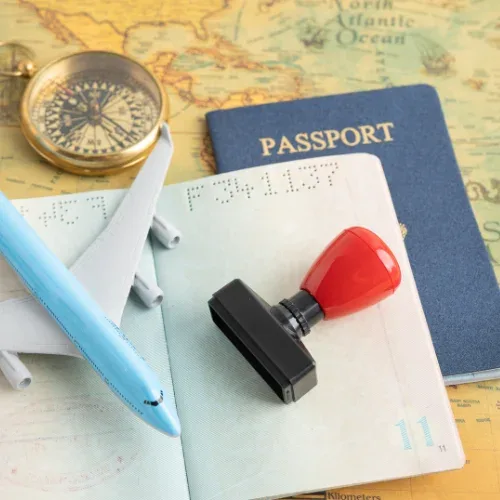
Thailand offers several visa options that fit different travel goals. Most Europeans can enter visa-free for 60 days under the Visa Exemption rule and easily extend for another 30 days. If you plan to stay longer, a Tourist Visa (TR) or Multiple-Entry Tourist Visa (METV) gives more flexibility for slow travel and exploring other regions. For freelancers and digital nomads, the Destination Thailand Visa (DTV) allows remote work stays of up to 180 days per entry, while the Long-Term Resident Visa (LTR) suits established professionals who want a more permanent base.Tip: Always confirm your country’s eligibility on the official Thai Immigration website and apply well in advance if you plan to work remotely.

The Destination Thailand Visa (DTV) is the most relevant option for Reemotees who want to live and work remotely from Thailand. It is valid for 5 years and allows stays of up to 180 days per entry, with the possibility to extend for another 180 days. The application fee is around ฿10,000 (€260), and the local extension fee is ฿1,900 (€50). The DTV is designed specifically for digital nomads, freelancers, and creatives who work for clients outside Thailand, making it the ideal visa for those building a remote lifestyle.

Always extend or exit before your visa expires to avoid fines, overstaying costs ฿500 per day, up to ฿20,000.

Bangkok is big, fast, and full of movement. Most people get around using the BTS Skytrain, MRT, or Grab, scooters are possible but not for everyone. If you ride, expect ฿250 (€6.50) per day or ฿3 500 (€92) per month, and always wear a helmet. Traffic can be intense, so plan extra time for commutes.
Use Grab for safe, cashless rides, it’s reliable and cheaper than most metered taxis. Regular taxis start at ฿35 (€0.90), with short trips averaging ฿120–250 (€3–6.50). Avoid unmetered drivers and always check that the meter is on before departure.
The easiest and fastest way to move around the city. The BTS Skytrain and MRT Metro cover almost every major area, from Sukhumvit to Chatuchak. Fares range between ฿17–62 (€0.45–1.65) per ride. Get a Rabbit Card for easy top-ups or use the THE SKYTRAINS app to check routes and fares. Trains run from 6 AM to midnight.
Bangkok connects you to the rest of Thailand. Fly from Suvarnabhumi (BKK) or Don Mueang (DMK) to Chiang Mai, Phuket, or Krabi for around ฿1 500 (€39) one way. Low-cost airlines like AirAsia and Nok Air make weekend getaways easy and affordable.
Bangkok is where energy meets opportunity. A city that never really slows down, yet somehow still gives you room to breathe. With reliable Wi-Fi, an active expat scene, and everything from cheap street food to luxury comfort, Bangkok has become one of the most exciting bases for remote professionals in Asia.
For remote workers, daily life is easy and affordable. You can rent a modern apartment in Sukhumvit for around €500 a month, grab a local meal for €3, and get anywhere in the city fast using the BTS Skytrain or Grab. Add to that direct flights to Bali, Singapore, and Vietnam, and Bangkok quickly turns into the perfect home base for exploring Southeast Asia.
What makes Bangkok special is its flow. Mornings start slow with iced coffee by the street, afternoons hum with activity, and nights glow with sky bars and night markets. It’s a place where modern city life meets deep tradition, golden temples beside glass towers, calm riverside walks after neon-filled evenings.
Beyond convenience, it’s the connection that keeps people here. The digital nomad and creative communities are open and welcoming, with events and meetups happening every week. Whether you’re freelancing, building your own brand, or taking a remote job abroad, Bangkok gives you both freedom and focus.
Why Remote workers love Bangkok
Visas & Entry for Bangkok
Stay Safe & Healthy in Bangkok
Getting Around Bangkok Like a Local
Best Places to Work in Bangkok
Coworking Spaces We Love in Bangkok
Cafés Made for Laptops in Bangkok
Local Culture and Daily Life in Bangkok
Must Do Activities in Bangkok
Thailand is one of the easiest countries in Asia for Europeans who want to live and work remotely. Whether you are staying for a few months or planning to settle longer in Chiang Mai, there is a visa that matches your lifestyle.
Citizens from almost all EU and Schengen countries can enter Thailand without a visa under the Visa Exemption Program.
You can stay for 60 days on arrival and extend once for 30 additional days at the Chiang Mai Immigration Office or any other immigration branch.
The extension fee is 1 900 baht (about €50).
To qualify, your passport must be valid for at least six months and you need to show a confirmed flight out of Thailand before the end of your stay.
This option is perfect for freelancers or digital nomads who plan to explore several Asian countries within a few months.
For most Reemotees, the Destination Thailand Visa is the most relevant choice.
This visa is valid for five years and allows a stay of 180 days per entry.
The visa fee is around 10 000 baht (€260) and the local extension fee is 1 900 baht (€50).
The DTV is designed for digital nomads, freelancers and creatives who work remotely for clients outside Thailand.
Applicants must show proof of yearly income of at least €9 000, valid travel insurance and a passport with at least six months remaining validity.
The Multiple Entry Tourist Visa is valid for six months and allows you to enter Thailand as many times as you like during that period.
Each stay can last up to 60 days and can be extended once per entry for 30 days.
The visa fee is around 175 euros and each extension costs 1 900 baht (€50).
This option is useful for remote workers who plan to move between Thailand and nearby countries such as Vietnam or Indonesia while keeping Thailand as their main base.
The Long Term Resident Visa is the premium option for experienced professionals who want to build a life in Thailand.
It is valid for ten years, divided into two five year periods.
The visa fee is 50 000 baht (about €1 300).
Applicants must show a yearly income of at least €75 000, valid health insurance and stable work or business activity with clients outside Thailand.
This visa offers several advantages such as one year reporting instead of every 90 days, faster airport procedures and the option to apply for a digital work permit.
• Complete the Thailand Digital Arrival Card (TDAC) online before your flight.
• Always carry your passport and a digital copy of your visa documents.
• The Chiang Mai Immigration Office near Airport Plaza handles extensions and address reports.
• Overstaying your visa leads to a fine of 500 baht (€13) per day, up to a maximum of 20 000 baht (€525).
For most Reemotees, the Destination Thailand Visa offers the best mix of flexibility, cost and simplicity.
It lets you live legally, work remotely and experience Thailand’s culture and community without constant visa stress.

Before flying to Thailand, make sure your passport is valid for at least six months. Many nationalities can enter visa-free for 60 days. You can also complete the Thailand Digital Arrival Card (TDAC) online before your trip to speed up arrival.

Tourist Visa (TR): 60 + 30 days. Multiple Entry (METV): 6 months, 60 days per entry. Destination Thailand Visa (DTV): 5 years, 180 days per entry. Long-Term Resident (LTR): 10 years for qualified remote professionals.

The Destination Thailand Visa (DTV) is the most relevant option for Reemotees who want to live and work remotely from Thailand. It is valid for 5 years and allows stays of up to 180 days per entry, with the possibility to extend for another 180 days. The application fee is around ฿10,000 (€260), and the local extension fee is ฿1,900 (€50). The DTV is designed specifically for digital nomads, freelancers, and creatives who work for clients outside Thailand, making it the ideal visa for those building a remote lifestyle.

Always extend or exit before your visa expires to avoid fines, overstaying costs ฿500 per day, up to ฿20,000.
Personal Safety
Bangkok is generally very safe, even at night. Still, use common sense: keep valuables close, avoid isolated alleys, and be cautious in busy areas like Chatuchak Market or Khao San Road. Traffic is fast and chaotic, always wear a helmet on scooters and use pedestrian crossings when possible. Grab is a safer and easier way to move around than flagging random taxis.
Health & Hygiene
Healthcare in Bangkok is among the best in Southeast Asia. Hospitals such as Bumrungrad International and Samitivej provide excellent English-speaking care. Pharmacies are everywhere, but avoid buying strong medication without a prescription. The city is clean overall, yet hand sanitizer and mosquito spray are still smart daily essentials.
Air Quality
Air pollution can rise between January and March, when wind is low and traffic peaks. It’s usually mild but can bother sensitive travelers. On hazy days, limit outdoor workouts and check apps like AirVisual for PM2.5 levels. Air-conditioned cafés and coworking spaces offer good indoor air when the city feels heavy.
Food & Water Safety
Bangkok’s street food scene is world-famous and safe if you choose busy stalls with fresh ingredients. Avoid pre-cooked food that’s been left in the heat for too long. Tap water isn’t safe to drink, so stick to bottled or filtered water. Reusable bottles can be refilled for free in many cafés and coworking spaces.
Emergency Support
Save these local numbers before you need them: Tourist Police 1155 (English-speaking), Ambulance 1669, Police 191, Fire 199. Most emergencies are handled quickly in Bangkok’s city center. For travel insurance claims, large hospitals provide direct billing for international visitors.
Traffic: Scooters are the main risk, helmets are essentialScams: Be cautious with overpriced taxis and money changersNatural risks: Volcanic activity and earthquakes are rare but possible
Police: 110 Fire: 113Ambulance: 118 / 119General emergency: 112
Bahasa Indonesia + Balinese (local)Calling code: +62Time zone: UTC+08:00 (WITA)
Tap water: Not recommended for drinkingVaccinations: click on title.
Bangkok might look chaotic at first, but once you learn how locals move, the city feels surprisingly easy to navigate.
The BTS Skytrain and MRT Metro are the heartbeat of Bangkok. They’re clean, air-conditioned, and reach almost every part of the city that matters, from shopping in Siam to night markets in Ratchada. Get a Rabbit Card to top up easily, or use the THE SKYTRAINS app for routes and fares in English. Trains run roughly from 6 AM to midnight, so they’ll cover both work commutes and late-night adventures.
When you’re above ground, Grab is the go-to for quick, cashless rides without the stress of negotiating prices. Metered taxis are everywhere, but make sure the driver switches on the meter before you leave. For short city hops, hop on a motorbike taxi, the orange-vested riders at every corner. They’re fast, cheap, and perfectly Bangkok.
If you want to see the city from another angle, ride the Chao Phraya River Express Boat. Locals use it to skip traffic, and it gives you a calm front-row seat to the city’s skyline and historic temples for just ฿20 (€0.50). Public buses are the cheapest option (around ฿10 (€0.25)), but can be slow during rush hour, so plan ahead.
Pro tip: Avoid traveling between 7–9 AM and 5–7 PM if you can, traffic gets intense. Early mornings or mid-afternoons are the sweet spot for smooth rides and less crowded trains.
Sukhumvit – The core of Bangkok’s digital nomad life. Trendy cafés, coworking spaces, and nightlife around Thonglor, Ekkamai, and Phrom Phong make it ideal for both living and working.
Ari – A calm, creative neighborhood with leafy streets, boutique coffee shops, and a more local vibe. Popular among young professionals who want a quieter base.
Silom & Sathorn – Bangkok’s business district by day, social hotspot by night. Great for professionals who want to stay close to coworking hubs and rooftop bars.
Old Town (Rattanakosin & Chinatown) – Rich in culture and food. Think temples, street markets, and heritage charm. Perfect for weekend exploring, though less practical for long stays.
On Nut & Phra Khanong – More affordable and well-connected via BTS, these areas offer modern condos, local street life, and easy access to Sukhumvit without the high prices.
Working remotely in Bangkok feels effortless, fast internet, air-conditioned cafés, and coworking spaces that balance productivity with social energy. Whether you prefer sleek offices or casual cafés, you’ll find a spot that fits your budget and work style.
The Work Loft (Silom)
Set in the heart of Bangkok’s business district, The Work Loft offers flexible plans from around €105/month, with discounts for longer stays. It’s bright, central, and ideal for freelancers who want comfort without luxury pricing. Expect strong Wi-Fi, quiet corners, and a rooftop café for quick breaks.
The Hive (Thonglor)
Community-driven and creative, The Hive blends design and connection. It’s popular among designers, entrepreneurs, and remote creatives. Monthly memberships start at €105/month and include access to events, shared lounges, and a rooftop terrace perfect for evening catch-ups.
True Digital Park (Phra Khanong)
Bangkok’s tech hub, modern, spacious, and full of networking potential. Monthly access starts at €158/month, with extra perks like event zones and startup meetups. It’s ideal if you want to combine work with inspiration and community.
If you prefer working with a latte instead of a membership, Bangkok’s café scene has your back. Many spots are built with digital nomads in mind, expect strong Wi-Fi, plenty of outlets, and calm atmospheres. Just remember: it’s polite to keep ordering drinks or snacks every couple of hours, especially during busy times.
Phil Coffee Company (Sukhumvit 31)
One of the city’s most loved specialty cafés. Bright, relaxed, and laptop-friendly, with some of Bangkok’s best beans. Try their iced flat white and enjoy a few hours of focus.
Timo & Tintin (Ari)
A cozy local favorite with fast Wi-Fi and creative vibes. The calm atmosphere makes it ideal for deep work or online calls.
Factory Coffee (Phayathai)
Award-winning coffee, open tables, and natural light, popular with both locals and expats. Get there early if you want a good seat.
Kaizen Coffee (Ekkamai)
Minimalist design, quiet energy, and reliable Wi-Fi. Great breakfast and brunch menu for longer work sessions.
Roots Coffee (EmQuartier)
Trendy but chill. Perfect for short laptop sessions and people-watching between meetings.
Reemotee tip:
Cafés are great for focus, but coworking spaces make it easier to meet people and find new projects. Mix both — mornings in a café, afternoons at a coworking spot, and evenings exploring Bangkok’s energy.
Bangkok has endless options for long-stays, from cozy serviced apartments to stylish suites near the BTS. Most digital nomads choose to stay around Ari, Asok, or Phra Khanong, where cafés, coworking spaces, and public transport all meet. Prices vary widely, but quality and comfort are easy to find if you know where to look.
B.U. Place Hotel & Serviced Apartment (Din Daeng / Asok area)
A practical and affordable base for longer stays. Rooms come fully furnished with kitchenettes, fast Wi-Fi, and access to a gym and pool. The location connects easily to both Rama 9 and Asok BTS, making it ideal for remote workers.
Monthly stays start at around ฿ 12 000 – 14 000 (€ 310 – € 360) depending on the room type and season. Reemotee tip: Contact the hotel directly for long-stay discounts — they often offer reduced rates for bookings over one month.
Beyond Suite (Sukhumvit 24)
A comfortable long-stay option in the heart of Bangkok, close to Phrom Phong BTS and EmQuartier Mall. The hotel offers spacious suites with work desks, small kitchens, and a relaxed residential vibe. You’ll find cafés, gyms, and co-working spaces just around the corner.
Long-term stays are available from roughly ฿ 45 000 – 55 000 (€ 1 180 – € 1 440) per month, depending on the season and length of stay.
Reemotee insight:
Bangkok’s apartments are almost always furnished and ready to move into, no deposits or contracts needed for short-term stays. Negotiating directly with the owner can save you up to 20 %, especially during the rainy season or for multi-month stays.
Local Culture and Daily Life in Bangkok
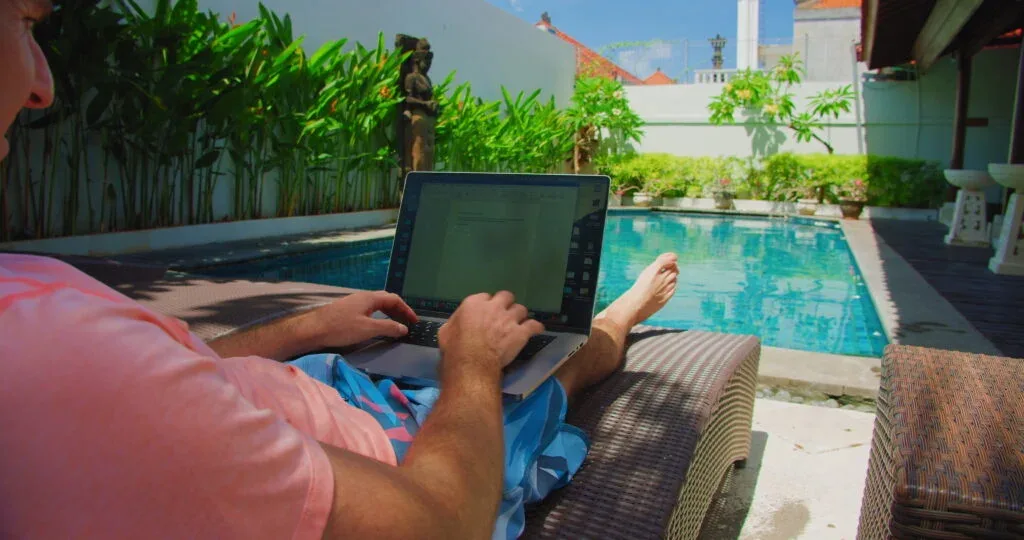
Bangkok’s daily life blends modern convenience with deep-rooted Thai culture. Locals are friendly and polite, and you’ll quickly pick up the rhythm of the city, efficient mornings, busy afternoons, and relaxed evenings spent at street stalls or riverside cafés. English is common in most areas, but learning a few Thai phrases earns smiles and better service. Respect is key: dress modestly at temples and avoid raising your voice in public.
Nightlife and Social Scene in Bangkok
When the sun sets, Bangkok transforms. Rooftop bars like Above Eleven and Octave offer skyline views, while Thonglor and Ekkamai attract a mix of locals and expats. Live music thrives in Ari and Chinatown, and street food markets such as Talad Neon or JODD FAIRS stay open late. Nightlife here isn’t just about drinking, it’s social, energetic, and a great way to meet other travelers and professionals.
Wellness and Balance in Bangkok
Staying healthy in Bangkok is easier than you’d expect. Morning jogs in Lumphini Park, affordable Thai massages, and accessible gyms like BASE or Jetts Fitness help maintain balance. Smoothie cafés and vegetarian spots are everywhere, with Broccoli Revolution and Veganerie among the favorites. For a quick escape, take the weekend ferry to Koh Samet or a train to Ayutthaya for nature and calm.
Community and Connection in Bangkok
Bangkok has one of the most active digital nomad communities in Asia. The city attracts freelancers, entrepreneurs, and creatives from all over the world, all looking for connection, collaboration, and a sense of belonging.
You’ll find weekly networking events, coworking meetups, and skill-sharing sessions across the city, especially at places like The Hive, JustCo, and True Digital Park. These hubs host workshops, startup talks, and casual after-work gatherings where it’s easy to meet people who share your mindset.
If you want to connect with people who live the same lifestyle as you join the Reemotee Discord. It’s our global space where members share travel advice, remote job opportunities, and stories from across Southeast Asia. Whether you’re new to the lifestyle or already living it, it’s the easiest way to find your circle before you even land in Thailand.
Festivals and Cultural Highlights in Bangkok
Bangkok’s calendar is full of events that bring the city to life. Songkran in April (the Thai New Year) turns streets into water battles, while Loy Krathong in November fills rivers with glowing lanterns. During Chinese New Year, Chinatown bursts with parades and firecrackers, and smaller events like Bangkok Design Week and Wonderfruit Festival attract creatives from across Asia. Each celebration gives remote workers a deeper sense of local connection and culture.
Must-Do Activities
Bangkok is packed with experiences that show both its culture and modern spirit. Start your journey at the Grand Palace and the Temple of the Emerald Buddha (Wat Phra Kaew) two must-see landmarks that define the city’s history. Just a short walk away, Wat Pho houses the impressive reclining Buddha and one of Thailand’s oldest traditional massage schools.
Take the Chao Phraya River ferry for a different view of the city, and stop at Wat Arun (Temple of Dawn) at sunset the reflection over the water is unforgettable. When evening arrives, explore Yaowarat Road in Chinatown or the Ratchada Train Market for authentic Thai street food. End the night at a rooftop bar like Tichuca, Octave, or Above Eleven, where the skyline reminds you why this city never sleeps.
Hidden Gems
If you want to experience Bangkok beyond the typical highlights, head to Talad Noi, a riverside neighborhood filled with murals, vintage shops, and small cafés. For a nature escape without leaving the city, rent a bike in Bang Kachao, known as “Bangkok’s Green Lung.” It’s a peaceful area of raised bike paths surrounded by jungle and canals.
Discover Bangkok’s creative side at The Jam Factory or Warehouse 30, where art, coffee, and design mix effortlessly. For a quieter local market, visit Or Tor Kor Market, famous for its premium Thai fruits, spices, and regional snacks.
Day Trips
Some of Thailand’s most unique destinations are only a few hours away. Explore Ayutthaya, the ancient capital filled with temple ruins and history, an easy day trip by train or bus. Visit the floating markets of Damnoen Saduak or Amphawa for a glimpse of traditional canal life.
If you crave nature, Erawan National Park near Kanchanaburi offers waterfalls, hiking trails, and turquoise pools perfect for swimming. For beach lovers, Koh Samet and Pattaya are just a few hours away
Bangkok’s tropical climate makes it a year-round destination, but every season brings a different side of the city. Whether you’re visiting for sightseeing, remote work, or cultural festivals, here’s what to expect through the year.
This is widely known as the best time to visit Bangkok. The weather is dry, comfortable, and perfect for exploring. Temperatures hover between 22°C and 32°C, humidity is lower, and the evenings are pleasant for rooftop bars or river walks.
Festival season also peaks now, Loy Krathong in November fills the rivers with lanterns, and the New Year period brings celebrations across the city. Accommodation prices rise slightly, but the clear skies and comfortable heat make it worth it.
Best for: sightseeing, outdoor activities, and first-time visitors.
Bangkok turns up the heat with daily highs above 35°C. It’s hot, humid, and vibrant, the kind of weather that pushes you toward air-conditioned cafés and coworking spaces. April hosts Songkran, Thailand’s water festival, when the entire city becomes one big celebration.
If you can handle the heat, this season brings fewer crowds and better deals on accommodation. Just plan your outdoor time early in the morning or after sunset.
Best for: cultural events, nightlife, and budget travelers who don’t mind the heat.
Rainy season brings short but powerful tropical showers, usually in the late afternoon or evening. Temperatures stay warm, around 25°C to 32°C, and the city looks greener than ever. While heavy rain can cause brief flooding, it rarely ruins the day.
This is also Bangkok’s low season, meaning quieter attractions and cheaper stays. Shopping malls, coworking cafés, and local restaurants become the go-to escape from sudden downpours.
Best for: long-term stays, remote work, and travelers who enjoy a calmer city pace.
Average weather in Bangkok
No Data Found
Average rainfall in Bangkok
No Data Found
Getting around Bangkok just got easier and smarter. Most metro and train lines, including the BTS Skytrain, MRT, and even the Airport Rail Link, now support contactless payments. That means you can simply tap your Visa or Mastercard directly at the gate, no need to buy paper tickets or load a separate transit card.
For long-term stays, many locals still use the Rabbit Card, which can be topped up easily and linked to Rabbit LINE Pay for digital payments. It’s a great backup if you plan to commute daily or want to earn small discounts at convenience stores and cafés.
If you’re arriving at Suvarnabhumi Airport, you can hop straight onto the Airport Rail Link and head downtown by tapping your bank card, no apps or setup required. It’s the fastest, most efficient way to reach the city center.
Reemotee tip: Always carry a travel-friendly card such as Wise or Revolut to avoid foreign transaction fees when using contactless. Download the THE SKYTRAINS app for real-time updates and route planning, it works seamlessly with the new contactless system.
Bangkok is embracing a digital-first approach to transport, and as a remote worker, it makes life smoother than ever, no tickets, no queues, just tap and go.
Lorem ipsum dolor sit amet consectetur adipiscing elit mauris interdum.


Reemotee is your launchpad to the remote lifestyle, with job boards, city guides, learning tools, and a global community to help you live and work anywhere.
06-12356789
info@reemotee.com